


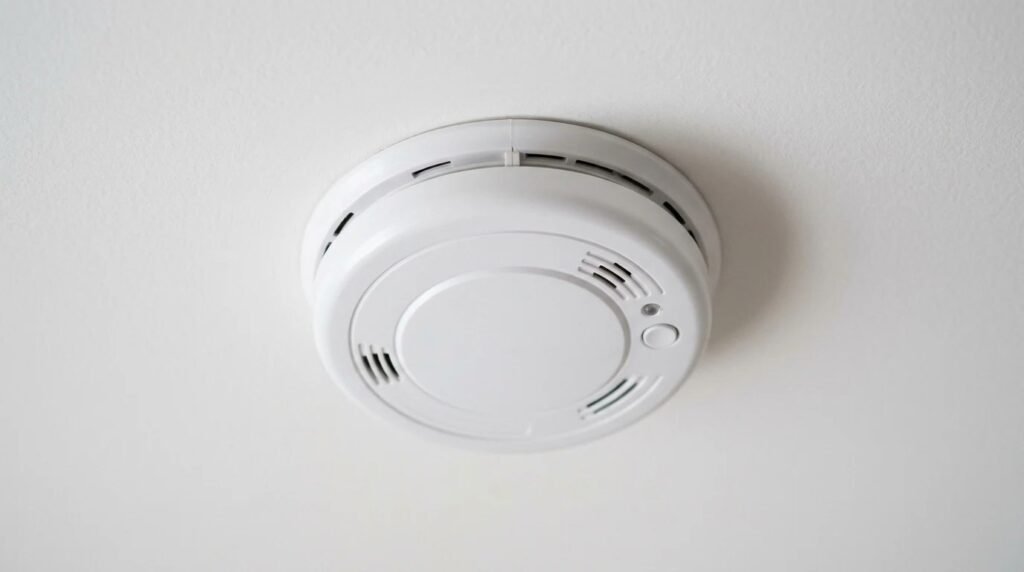
Smoke alarms are the least exciting thing in your house, right up until the moment they’re the most important. A working alarm in the right spot gives your family the time it needs to get out. The U.S. Fire Administration notes you may have less than two minutes to get everyone outside once an alarm sounds. So knowing where to put smoke alarms really matters.
Contents
Here’s a simple, room-by-room way to check your home this weekend.
Where to put smoke alarms: the short answer
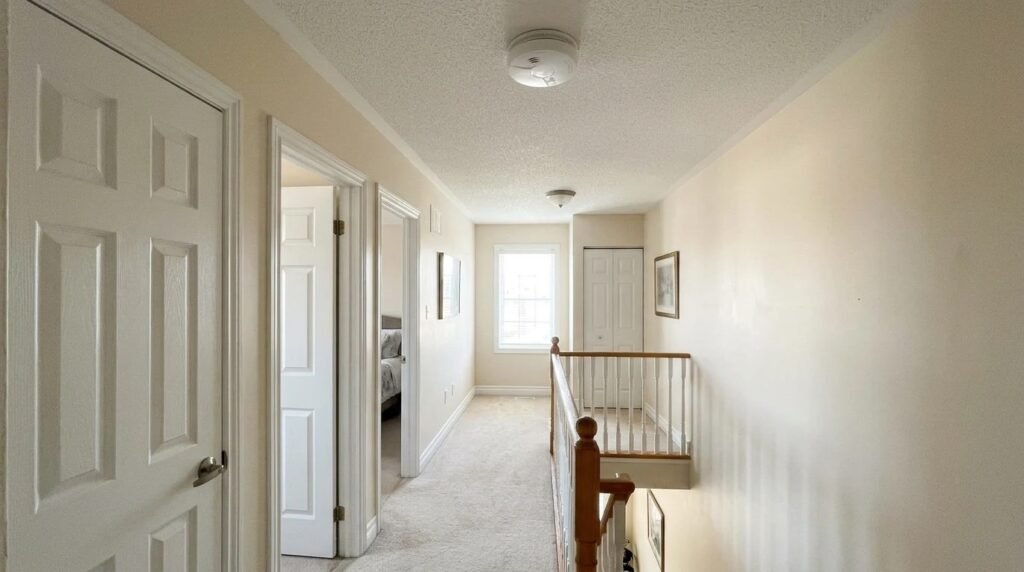
The U.S. Fire Administration says to put smoke alarms inside and outside each bedroom and sleeping area, and on every level of the home, including the basement. Mount them on the ceiling or high on a wall, following the manufacturer’s instructions. Ideally, alarms should be interconnected, so when one sounds, they all sound.
6 simple rules
- Inside every bedroom. Fires at night are the most dangerous, and closed doors can hold smoke back.
- Outside each sleeping area. Usually the hallway between bedrooms.
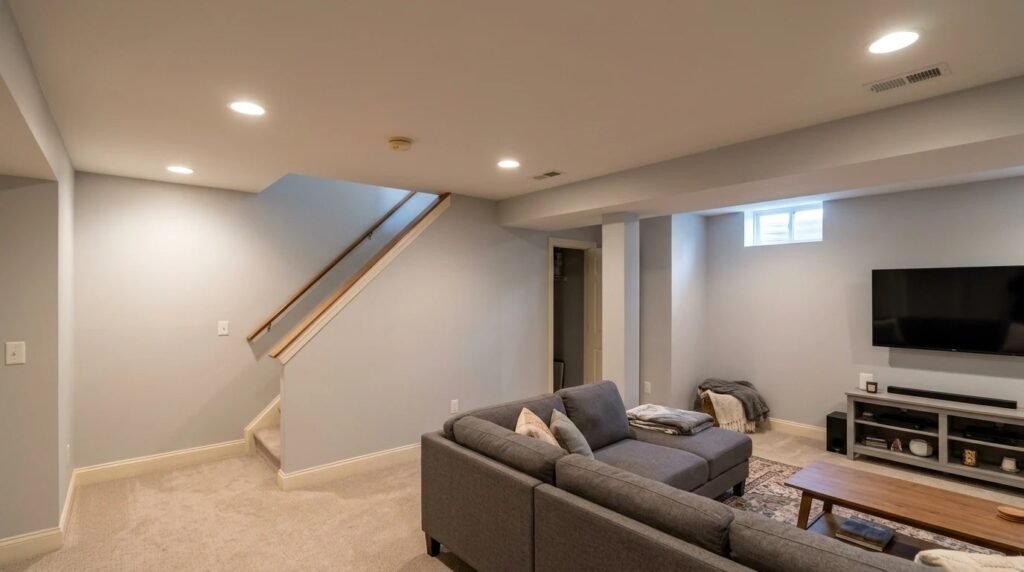
- On every level. Including the basement and a finished attic.
- High up. Smoke rises, so the ceiling or high on a wall is best.
- Interconnected if possible. A fire in the basement should wake people upstairs.
- Follow the manual for distances. Each alarm lists how far to keep it from kitchens, bathrooms and vents.

Room-by-room checklist
| Area | Alarm needed? | Notes |
|---|---|---|
| Each bedroom | Yes | Inside the room |
| Hallway outside bedrooms | Yes | Covers the path out |
| Living room or main level | Yes | At least one per level |
| Basement | Yes | Often near the stairs |
| Kitchen | Nearby, not right next to the stove | Follow the manual to avoid nuisance alarms |
| Bathroom | Not inside | Steam can cause false alarms |
Testing and batteries
The U.S. Fire Administration recommends testing every alarm monthly. For alarms with 9-volt batteries, replace them at least once a year; hardwired alarms with backup batteries need the backup replaced at least once a year too. Sealed 10-year alarms just need monthly tests. And no matter the type, replace the whole alarm 10 years from its manufacture date, which is printed on the back.
Which type should you buy?
You’ll see ionization, photoelectric and dual-sensor alarms. The U.S. Fire Administration notes basic models start at just a few dollars, with dual-sensor and wireless interconnected models costing more. Wireless interconnected alarms are a great upgrade for older homes because they talk to each other without new wiring. Hardwired alarms should be installed by a qualified electrician.
Make a two-minute plan
An alarm only helps if everyone knows what to do when it goes off. Walk through each room with your family and find two ways out, usually a door and a window. Pick a meeting spot outside, like a mailbox or a neighbor’s tree, so you can count heads quickly. Practice once with the lights on and once at night. Kids often sleep through alarms, so make sure an adult is responsible for waking each child. It sounds like a lot, but it takes one evening, and it turns a scary moment into a plan.
Stop the false alarms
If your kitchen alarm goes off every time you make toast, don’t take the battery out. Move the alarm a little farther from the kitchen (within what the manual allows), use your range hood and consider a photoelectric model there. A disabled alarm is the most dangerous kind.

Quick FAQ
How many smoke alarms do I need? At least one in every bedroom, one outside each sleeping area and one on each level. Many homes need more than they have.
Do smoke alarms expire? Yes. Replace the entire alarm every 10 years.
What about carbon monoxide? Smoke alarms don’t detect CO unless they’re combination units. See our CO detector placement guide.
Where to put smoke alarms: a quick recap
- Every bedroom, outside sleeping areas, every level.
- High up: ceiling or high on the wall.
- Test monthly and replace alarms every 10 years.
- Interconnect so all alarms sound together.
Final thoughts
Knowing where to put smoke alarms takes five minutes, and walking the house to check takes ten. Then sit down with your family and agree on two ways out of every room. It’s the cheapest safety plan you’ll ever make.
Your turn: when did you last press the test button? Do it now, then come back and tell us in the comments whether every alarm passed.
This guide is based on U.S. Fire Administration guidance, not our own testing. Follow your alarm’s manual and local fire codes.


