
You notice it when you come home from a trip, or when guests are coming over: that damp, earthy, old-basement smell. A candle covers it for an evening, but it comes back. A musty smell in your house almost always points to one thing, moisture, and fixing the moisture is what actually makes it go away.
Contents
Here’s how to find the source and get rid of it.
What causes a musty smell in your house?
That smell is usually mold or mildew growing somewhere damp. The EPA explains that the key to mold control is moisture control and recommends keeping indoor humidity below 60 percent, ideally between 30 and 50 percent. It also says to fix leaks and dry wet materials quickly, and notes that homeowners can usually handle cleanup themselves if the moldy area is less than about 10 square feet.
Where to look
| Spot | Why it smells | What to check |
|---|---|---|
| Basement and crawl space | Ground moisture, poor airflow | Damp walls, humidity above 60 percent |
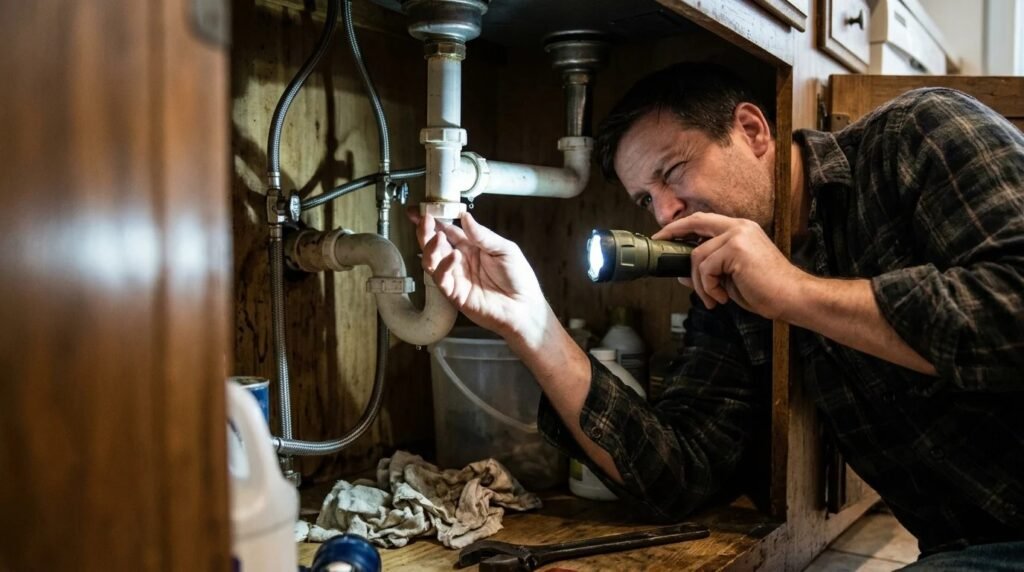
| Under sinks | Slow leaks | Wet cabinet floor, stains |
| Bathrooms | Steam with no exhaust | Mildew on grout, ceiling, caulk |
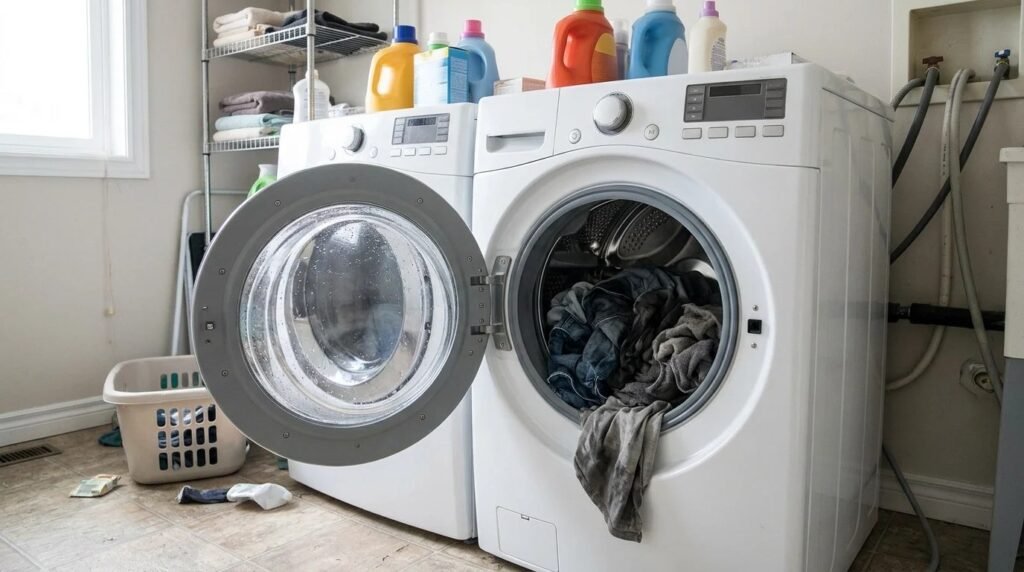
| Washing machine | Damp gasket and drum | Black spots, sour laundry |
| Closets on outside walls | Cold walls, little airflow | Musty clothes, spots on walls |
| HVAC and humidifiers | Damp parts, old water | Drip pans, filters, tanks |
8 simple fixes that work
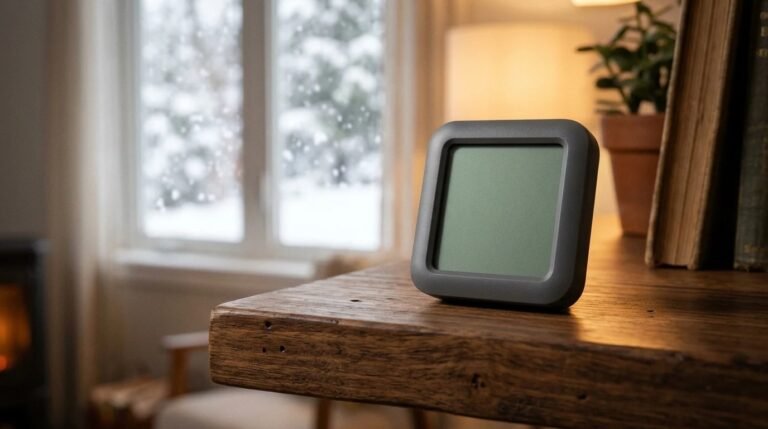
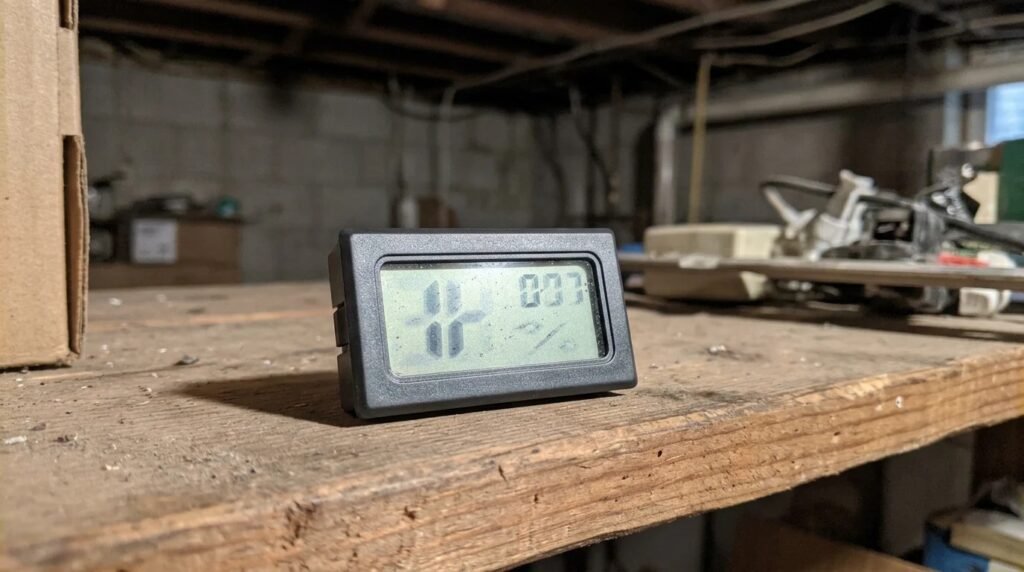
- Measure humidity. A cheap hygrometer tells you if you’re over 50 percent.
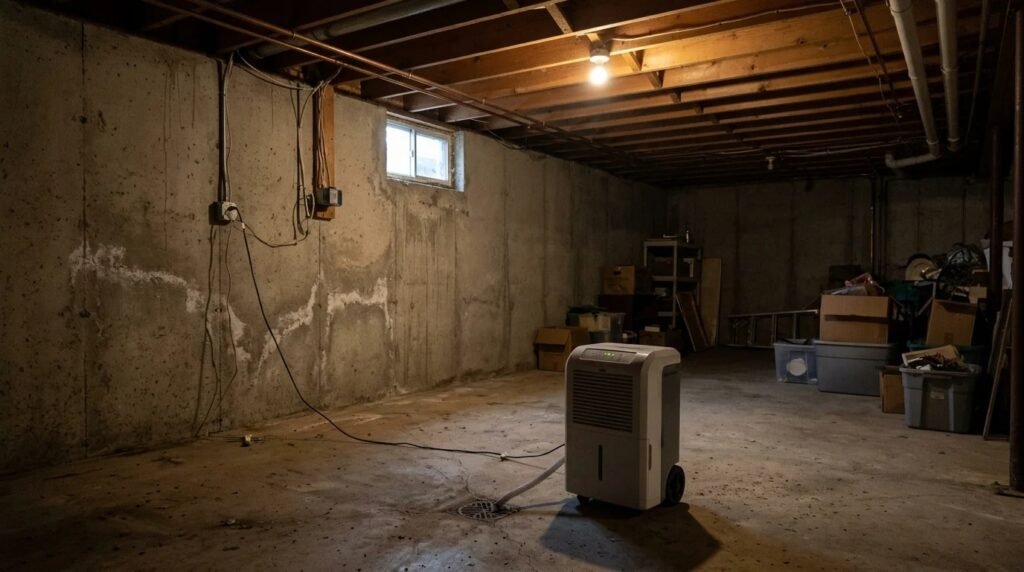
- Run a dehumidifier in damp basements and empty it regularly.
- Fix leaks under sinks, around toilets and at the water heater.
- Use exhaust fans during showers and cooking.
- Dry laundry promptly. And clean the washer; see how to clean a washing machine.
- Clean small moldy spots with detergent and water, then dry well.
- Let air move. Pull furniture slightly off outside walls and open closet doors now and then.
- Clean humidifiers. Old water smells. Here’s how to clean a humidifier.
Basements need extra attention
Basements are the most common source of musty smells. They’re partly underground, so walls and floors stay cool and moisture seeps through concrete. Make sure gutters and downspouts carry water well away from the foundation and the ground slopes away from the house. Inside, run a dehumidifier set to around 50 percent, keep stored items in plastic bins instead of cardboard and raise things off the floor. If water comes in after heavy rain, that’s a job for a waterproofing professional.
Why air fresheners don’t fix it
Candles, sprays and plug-ins just mask the odor. The moisture and growth behind it keep going, sometimes behind walls or under carpet where you can’t see. Baking soda and activated charcoal can absorb some smell, but they’re a supporting act. Dry the source and the smell leaves on its own.

When to call a professional
If the moldy area is bigger than about 10 square feet, the smell comes from inside walls, there was flooding or sewage, or someone in the house has asthma or allergy symptoms, call a professional. The EPA also suggests talking to a health professional if you have health concerns. A plumber or waterproofing contractor may be needed to fix the moisture source itself.
Quick FAQ
Is a musty smell always mold? Not always, but it usually means dampness, which is where mold and mildew grow.
Can an air purifier remove musty smells? A purifier with activated carbon can reduce odors, but it won’t fix the moisture. See HEPA vs activated carbon.
Why does my house smell musty in winter? Closed windows, cold walls and condensation can trap moisture indoors.
Musty smell in your house: a quick recap
- Cause: moisture, usually with mold or mildew.
- Target: 30 to 50 percent humidity, per the EPA.
- Fix: leaks, ventilation, dehumidifiers, prompt drying.
- Pros: for areas over about 10 square feet or hidden mold.
Final thoughts
A musty smell in your house is a clue, not just a nuisance. Grab a hygrometer, follow your nose and dry things out. Your home will smell fresher, and you’ll protect it from bigger problems. If windows drip in winter, read condensation on windows.
Your turn: which room in your house gets that musty smell? Tell us in the comments and we’ll point you to the likely culprit.
This guide uses EPA mold and moisture guidance, not our own testing. It isn’t medical advice.