

The clearest signs the air in your house is too dry are frequent static shocks, dry or itchy skin, cracked lips, a scratchy throat in the morning, nosebleeds, and wood floors or furniture that develop small gaps or cracks. If you notice several of these in winter, your indoor humidity has probably dropped below about 30 percent.
Contents
It sneaks up every cold season. The heat comes on, the windows stay shut, and suddenly every doorknob bites you. The fix is usually simple once you measure what’s going on.

Why indoor air gets so dry in winter
Cold outdoor air holds very little moisture. When that air leaks into your home and gets heated, its relative humidity drops sharply, so the same air feels much drier inside. Forced-air heating, wood stoves and drafty windows all make it worse.
Your home’s age matters too. Older, leakier houses swap indoor air for dry outdoor air faster, so they tend to feel drier than newer, tighter homes. Bedrooms with the door closed and the vent blowing all night can feel the driest of all, which is why so many people notice symptoms first thing in the morning. The good news is that the clues are easy to spot once you know them.
8 signs the air in your house is too dry
- Static shocks from doorknobs, blankets and pets.
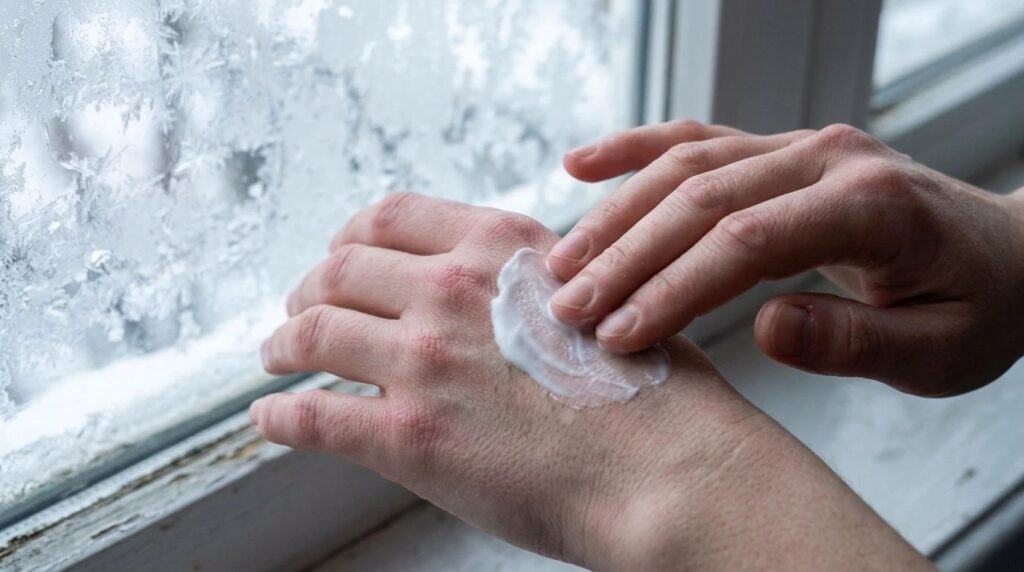
- Dry, itchy or flaky skin that lotion doesn’t seem to fix.
- Cracked lips even when you drink enough water.
- Scratchy throat or stuffy nose when you wake up.
- Nosebleeds that show up only in the heating season.
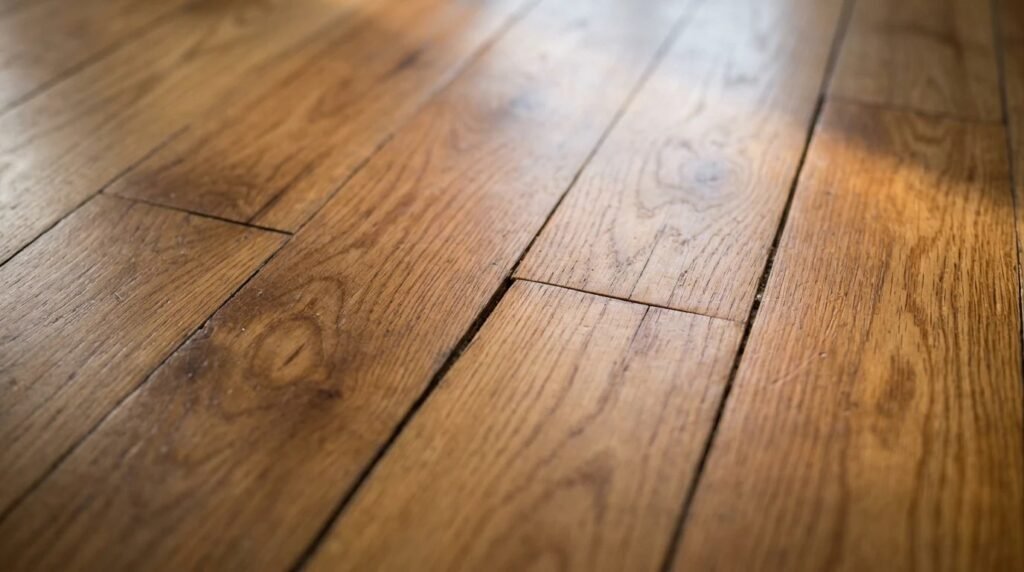
- Gaps in wood floors or trim that close up again in summer.
- Cracks in wood furniture or musical instruments going out of tune.
- Wilting houseplants with crispy brown leaf tips.
Measure it: what humidity should you aim for?
Guessing isn’t enough, because too much humidity causes problems too. A cheap digital hygrometer tells you the real number. The EPA’s mold and moisture course suggests keeping indoor humidity below 60 percent, ideally between 30 and 50 percent, so you get comfort without inviting mold.
| Indoor humidity | What it feels like | What to do |
|---|---|---|
| — | — | — |
| Below 30% | Static, dry skin, scratchy throat | Add moisture |
| 30% to 50% | Comfortable for most homes | Keep it steady |
| 50% to 60% | Slightly humid | Watch for window condensation |
| Above 60% | Damp, risk of mold | Reduce moisture, ventilate |
Simple fixes for dry indoor air
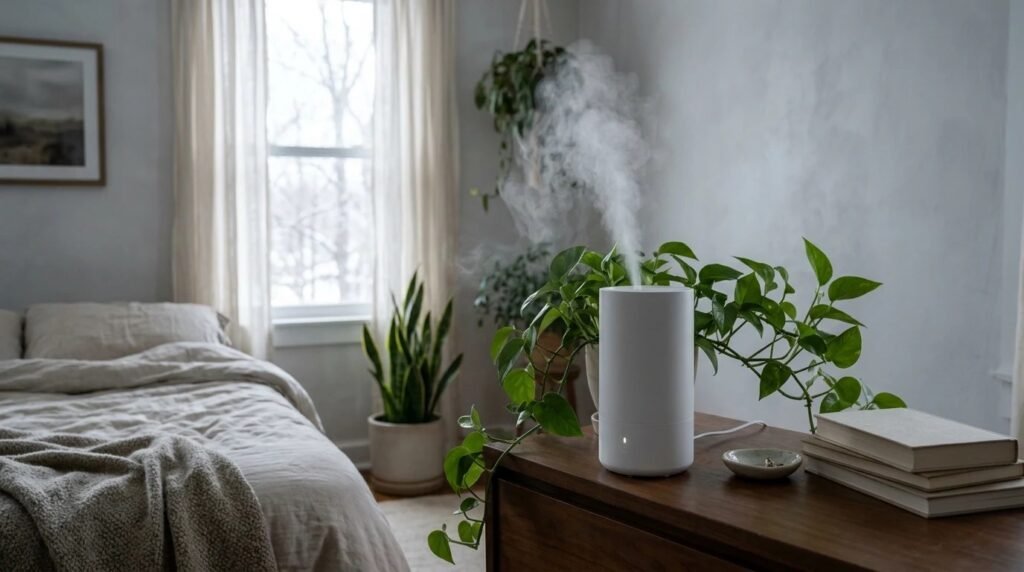
- Run a humidifier in the rooms you use most, especially bedrooms. Clean it often and use the right water to avoid humidifier white dust.
- Seal air leaks. Drafts bring in dry outside air; weatherstripping helps comfort and humidity.
- Lower the thermostat a little. Slightly cooler air feels less dry and saves money.
- Air-dry laundry indoors on a rack when humidity is low.
- Leave the bathroom door open after a shower so the steam spreads.
- Add houseplants. They release a little moisture, and they’re nice to look at.
Don’t overdo it. Fogged or dripping windows are a sign you’ve gone too far; our guide to condensation on windows explains the balance.
Quick FAQ
Is 25 percent humidity too low for a house? Yes, most people feel dryness below about 30 percent, so aim for 30 to 50 percent. Can dry air make you sick? Dry air can irritate your nose, throat and skin, and many people feel more stuffy or uncomfortable in very dry rooms. Where should I put a hygrometer? In a main living area or bedroom, away from humidifiers, kitchens and bathrooms for a fair reading.
Signs the air in your house is too dry: a quick recap
- Common clues: static, dry skin, cracked lips, scratchy throat and gaps in wood.
- Target range: about 30 to 50 percent, measured with a hygrometer.
- Easy fixes: a clean humidifier, fewer drafts and simple moisture habits.
Final thoughts
If you spotted three or more signs the air in your house is too dry, grab a hygrometer and check. Nudging humidity into the comfort zone makes winter feel warmer and kinder to your skin and floors. For the full target range, see ideal indoor humidity in winter.
Your turn: what’s your number one dry-air symptom every winter? Tell us in the comments.
This guide is based on research and EPA guidance, not our own testing.
Related guides: How to clean a humidifier · Air purifier vs humidifier · Improve indoor air quality in winter