

When your old heating system starts making strange noises, the big question arrives: replace it with the same thing, or switch? The heat pump vs furnace decision used to be easy in cold places: furnace, every time. Newer cold-climate heat pumps have changed that conversation for a lot of homes.
Contents
Here’s a clear, unbiased comparison so you can ask your installer the right questions.
Heat pump vs furnace: the short answer
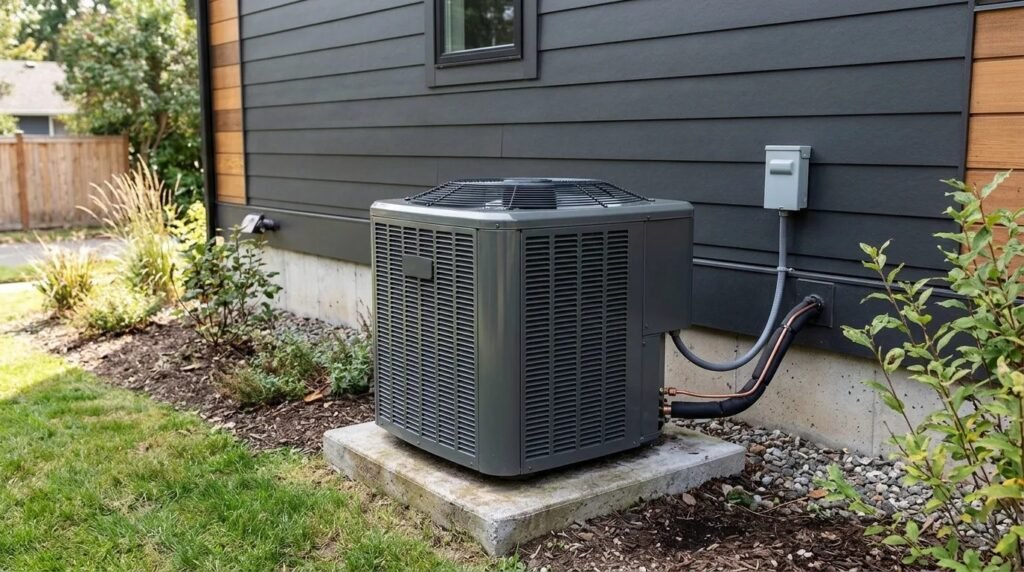
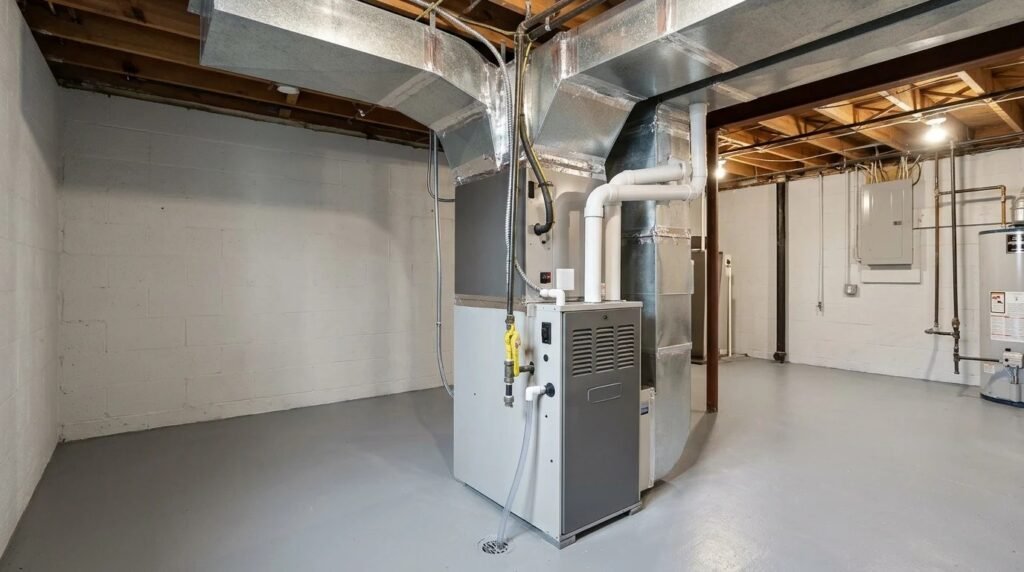
A furnace burns fuel (usually natural gas) or uses electric resistance to make heat. A heat pump moves heat from outside air into your home and can also cool in summer. The Department of Energy’s Energy Saver Guide says heat pumps can provide up to three times more heat than the energy they use and can cut electricity used for heating by about 50 percent compared with electric furnaces or baseboard heaters. Whether you save versus gas depends on local energy prices and your climate.
How each one works
A furnace heats air by burning gas, oil or propane, or with electric elements, and blows it through ducts. A heat pump works like a refrigerator in reverse, pulling heat from outdoor air even when it’s cold, and concentrating it indoors. Because it moves heat instead of creating it, it can deliver more heat energy than the electricity it uses.

Side-by-side comparison
| Factor | Heat pump | Furnace |
|---|---|---|
| Heating | Yes | Yes |
| Cooling | Yes, built in | Needs a separate AC |
| Efficiency measure | HSPF (ENERGY STAR: 8 or higher) | AFUE (ENERGY STAR gas: 90 to 95 percent) |
| Fuel | Electricity | Gas, propane, oil or electric |
| Very cold weather | Cold-climate models work well; some need backup heat | Strong, steady heat |
| Combustion safety | No combustion indoors | Needs CO alarms and venting |

7 simple facts before you replace
- Most homes can save with the right heat pump. A Department of Energy analysis found that for over 90 percent of households assessed, replacing worn-out heating equipment with the right heat pump would lower energy bills.
- Savings are biggest for oil, propane and electric resistance homes. Gas homes may save less, depending on prices.
- Cold-climate models matter. In cold regions, ask specifically for a cold-climate heat pump.
- Insulation first. Air sealing and insulation can mean a smaller, cheaper system.
- Hybrid systems exist. A heat pump with a gas furnace backup is a popular middle path.
- One system, two jobs. If your AC also needs replacing, a heat pump covers both.
- Installation quality is huge. Proper sizing and setup affect comfort and cost more than brand.
Which is better for your home?
If you heat with oil, propane or electric baseboards, a heat pump is very likely worth serious consideration. If you have cheap natural gas and a newer furnace, there’s less urgency; you might wait until it needs replacing, or consider a hybrid system when your AC fails. In mild climates, heat pumps are often a clear win. In very cold climates, a cold-climate model or a dual-fuel setup is the safer bet.
Getting quotes
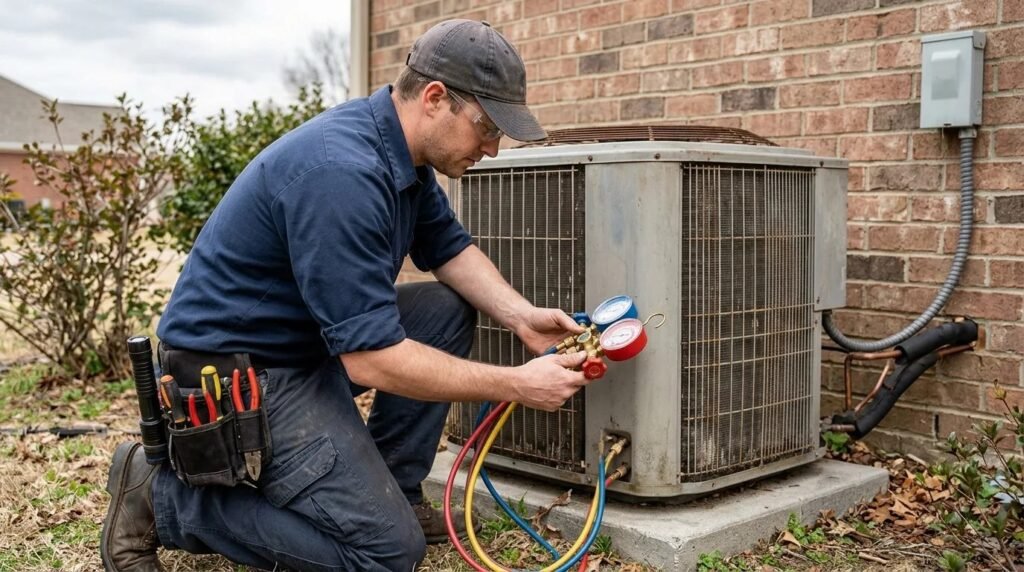
Get at least two or three quotes, and ask each installer for a proper load calculation rather than sizing by square footage alone. Ask about cold-weather performance, backup heat, warranty and any local utility rebates. And whichever system you choose, a good thermostat helps; see where to put a smart thermostat.
Quick FAQ
Do heat pumps work below freezing? Yes. Cold-climate heat pumps are designed for low temperatures; check each model’s rated performance.
Is a heat pump cheaper to run than a gas furnace? It depends on local electricity and gas prices, your climate and the equipment’s efficiency.
Can I keep my furnace as a backup? Yes. Dual-fuel or hybrid systems pair a heat pump with a furnace.
Heat pump vs furnace: a quick recap
- Heat pump: very efficient, heats and cools, no indoor combustion.
- Furnace: strong heat, familiar, needs separate AC.
- Best fit: depends on fuel prices, climate and your home.
- Middle path: a hybrid system.
Final thoughts
The heat pump vs furnace choice is one of the biggest energy decisions a homeowner makes. Take your time, get several quotes and fix drafts first; our draft-stopping guide is a cheap place to start.
Your turn: are you heating with a heat pump or a furnace? If you’ve switched, how was your first winter? Tell us in the comments.
This comparison uses U.S. Department of Energy information, not our own testing. Consult a licensed HVAC contractor for your home.