

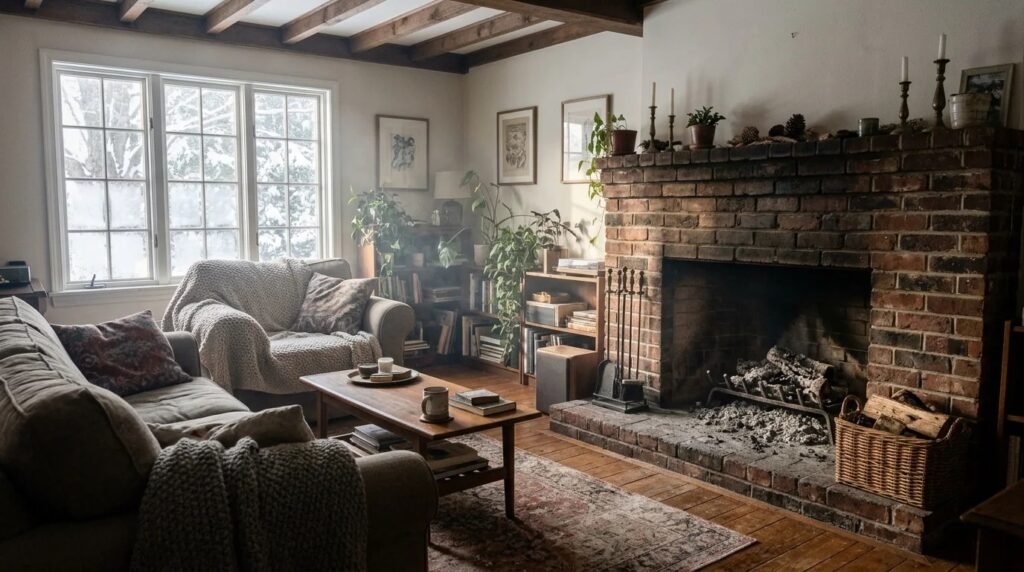
To get rid of fireplace smoke smell, clean out the old ashes, ventilate the room, wash or air out fabrics, run an air purifier with a carbon filter and, most importantly, fix the cause: a closed or leaky damper, a dirty chimney or burning wet wood. Odor sprays only cover it up; the smell comes back until the source is gone.
Contents
That smoky smell can linger for days, especially on rugs, curtains and sofas. Sometimes it even shows up when the fireplace hasn’t been used in weeks, which is a clue that the chimney itself needs attention.
Why your house smells like fireplace smoke
The usual causes:
- Old ash and soot in the firebox give off a stale smell, especially in humid weather.
- Creosote builds up inside the chimney and smells strong when it’s warm or damp.
- Negative air pressure pulls air down the chimney when exhaust fans or a dryer run, bringing odors inside.
- A damper that doesn’t seal lets outside air and chimney smells drift in.
- Smoke spillage during fires, from a cold flue, a closed damper or wet wood, puts smoke straight into the room.
7 easy fixes to get rid of fireplace smoke smell
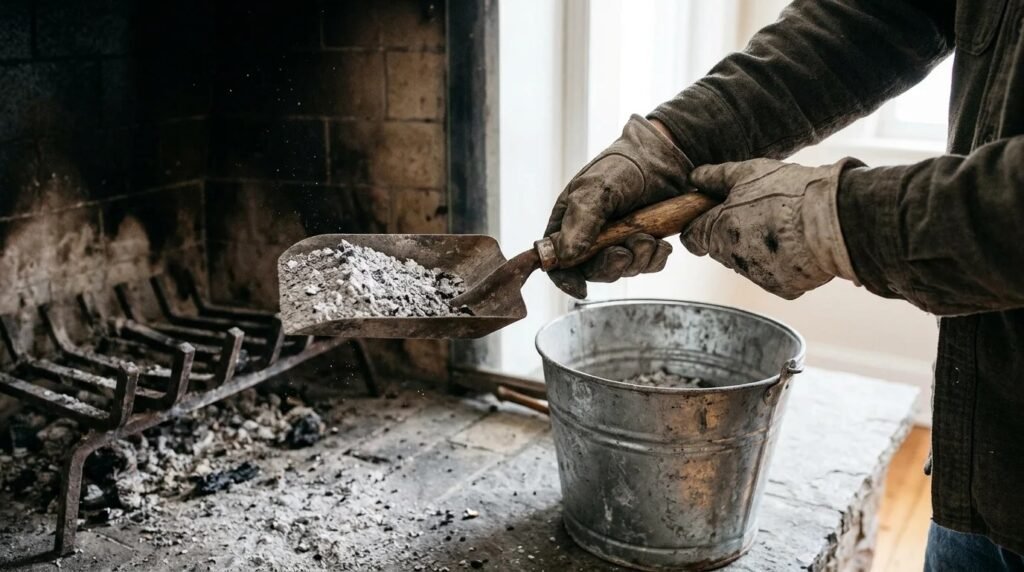
- Clean out the ashes. Once they’re completely cold (wait at least a day or more), scoop them into a metal bucket with a lid and store it outside, away from the house.
- Air the room out. Open windows on two sides for 15 to 30 minutes to flush stale air.
- Wash or air out fabrics. Throws, curtains and cushion covers hold smoke; wash what you can and hang the rest outside.
- Sprinkle baking soda on rugs. Let it sit overnight, then vacuum thoroughly.
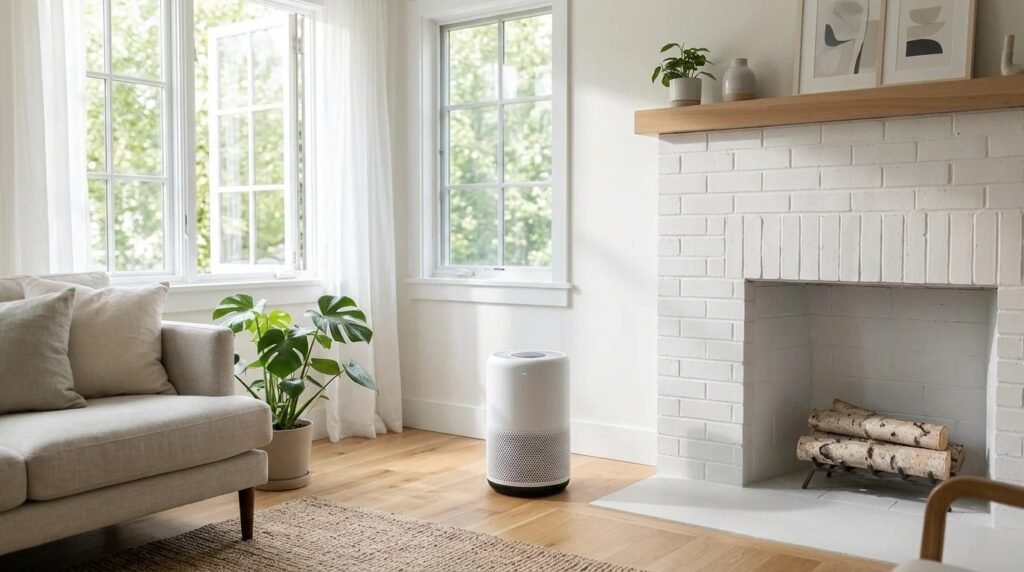
- Run an air purifier. A model with an activated carbon filter helps with odors; HEPA alone mostly captures particles. See HEPA vs activated carbon filter.
- Check the damper. Make sure it’s fully open during fires and closes snugly afterward.
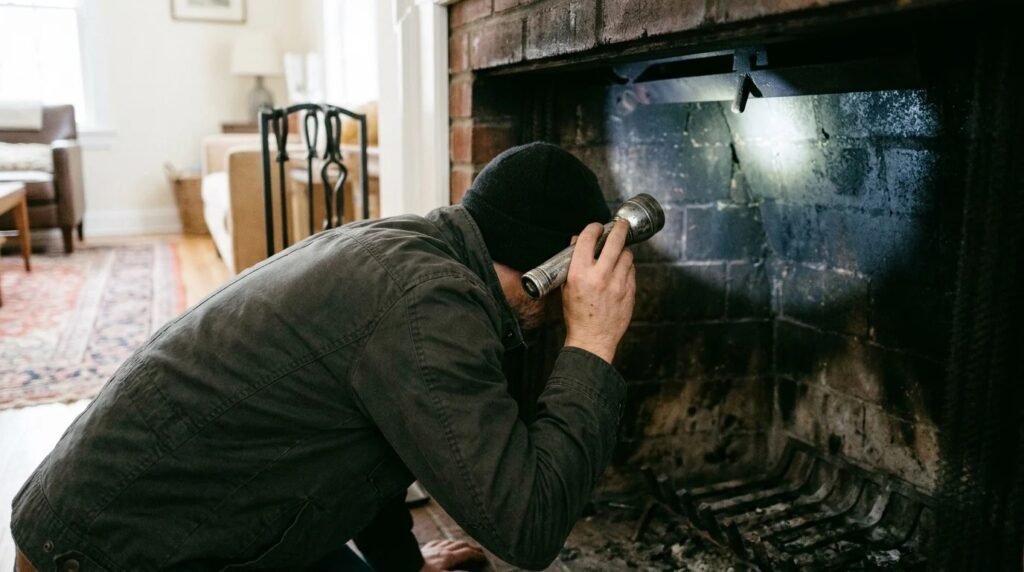
- Get the chimney inspected. A yearly inspection and cleaning removes creosote, the main source of lingering smell.
Smell, cause and fix at a glance
| When you smell it | Likely cause | Best fix |
|---|---|---|
| — | — | — |
| During fires | Smoke spilling into the room | Open damper fully, warm the flue, burn dry wood |
| Days after a fire | Ash, soot and smoky fabrics | Clean ashes, wash fabrics, run a carbon purifier |
| On humid or rainy days | Creosote in the chimney | Chimney inspection and sweep |
| When exhaust fans run | Air pulled down the chimney | Close the damper, crack a window for makeup air |
Prevent the smell from coming back
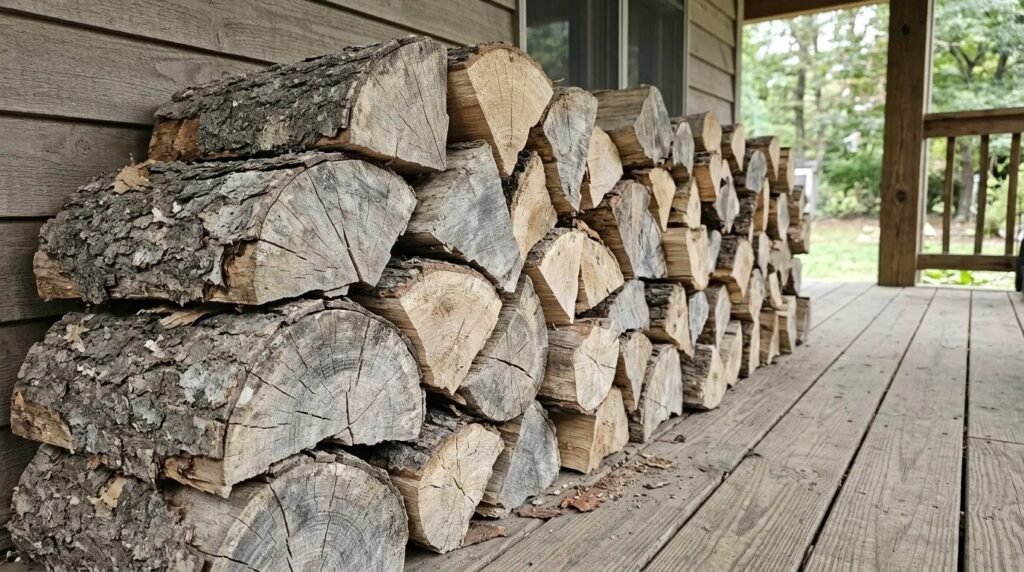
Burning the right wood makes a huge difference. Well-seasoned, dry wood burns hotter and cleaner with less smoke. The EPA’s Burn Wise program recommends dry, seasoned wood and a properly working fireplace or stove to cut smoke indoors and out.
Keep the damper closed when the fireplace isn’t in use, and consider a top-sealing damper or a fireplace cover if drafts and odors keep returning. A carbon monoxide detector near the living area is also a must in any home with a wood-burning fireplace; see where to put a carbon monoxide detector.
Quick FAQ
How long does fireplace smoke smell last? It can fade in a day or two after airing out and cleaning, but it returns if the cause is creosote or a leaky damper. Does an air purifier remove smoke smell? A purifier with a good activated carbon filter helps with odors, especially combined with ventilation and cleaning. Why does my fireplace smell when it’s not in use? Usually creosote in the chimney or air being pulled down the flue, so close the damper and book a chimney inspection.
Get rid of fireplace smoke smell: a quick recap
- Clean up: cold ashes out, fabrics washed, rugs refreshed with baking soda.
- Clear the air: ventilation plus a purifier with carbon.
- Fix the source: damper, chimney cleaning and only dry, seasoned wood.
Final thoughts
You can get rid of fireplace smoke smell for good once you treat both the room and the chimney. Clean, ventilate, then fix the cause, and your fireplace goes back to smelling cozy instead of stale. For more odor help, see how to get rid of a musty smell in the house.
Your turn: do you have a wood-burning fireplace, a gas insert or none at all? Tell us in the comments.
This guide is based on research and EPA guidance, not our own testing.
Related guides: Can you run an air purifier 24/7? · Improve indoor air quality in winter · Where to put an air purifier


