


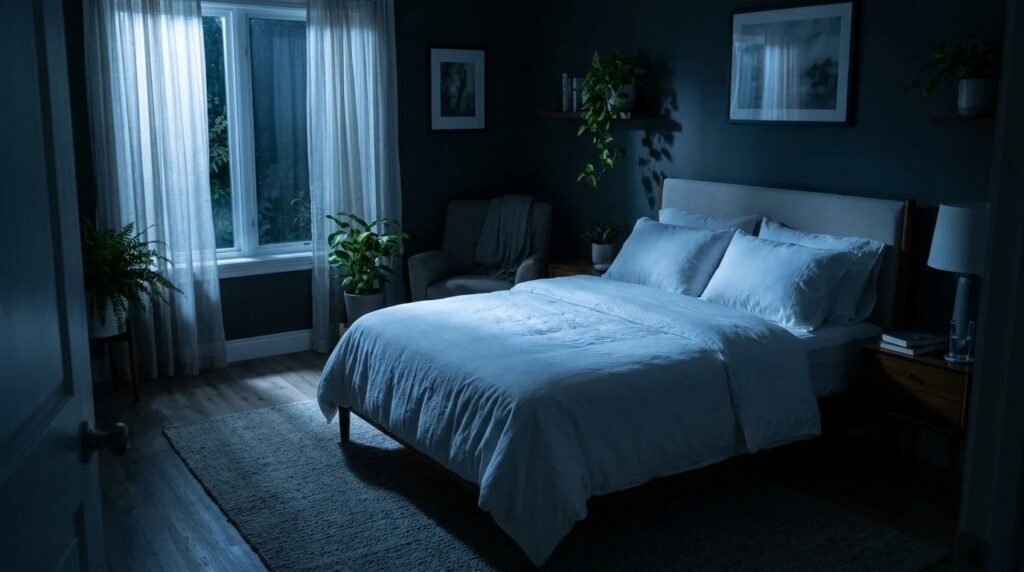
Ever kicked the blankets off at 2 a.m., then pulled them back at 4? Temperature has a bigger effect on sleep than most of us realize. Your body temperature naturally drops a little as you fall asleep, and a room that’s too warm can get in the way. So what’s the best bedroom temperature for sleep? There’s a fairly clear answer.
Contents
- 1Best bedroom temperature for sleep: the short answer
- 2Why cooler helps
- 3Temperature guide by sleeper
- 48 easy tips for better rest
- 5Babies need extra care
- 6Sharing a bed with someone who runs hot?
- 7Winter vs summer
- 8Quick FAQ
- 9Best bedroom temperature for sleep: a quick recap
- 10Final thoughts
- 11Related guides
Here’s the number, the science in a sentence and the practical tips.
Best bedroom temperature for sleep: the short answer
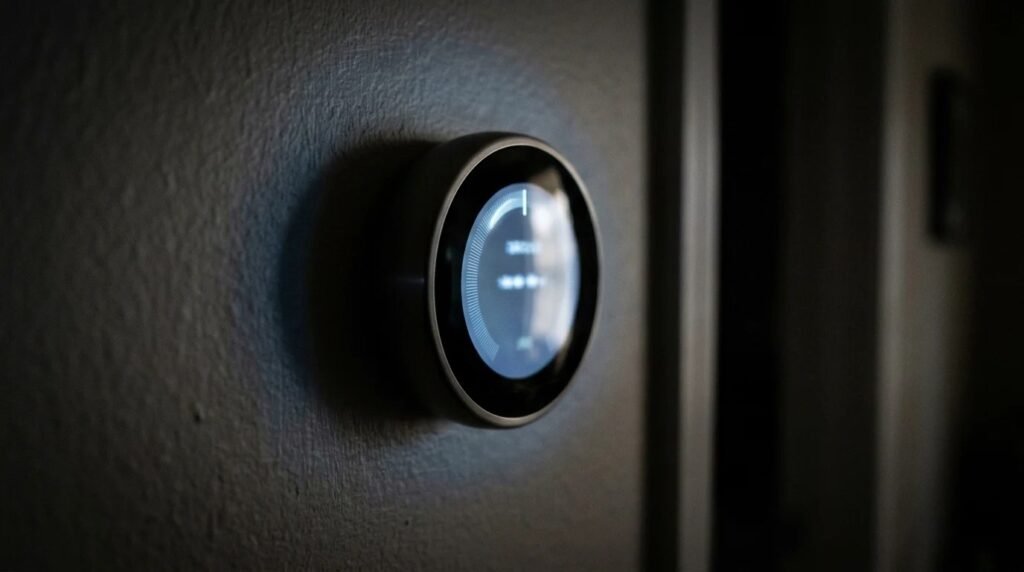
According to the Sleep Foundation, most doctors recommend a bedroom between 65 and 68°F (15.6 to 20°C), with about 65°F as a good target for many adults. Infants may do better a degree or two warmer, up to about 69°F. Everyone is different, so treat these as a starting point.
Why cooler helps
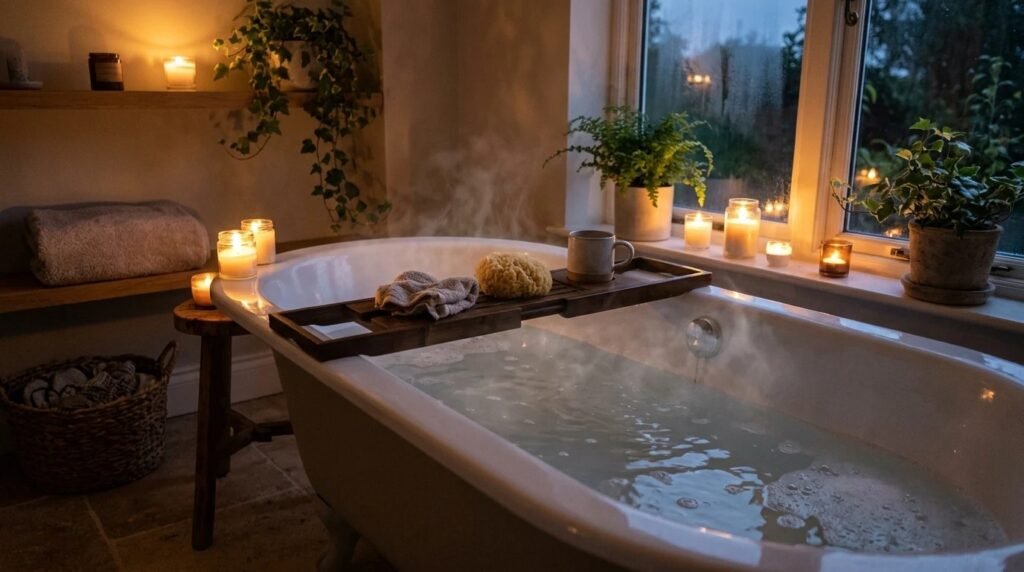
Your core body temperature drops in the evening as part of your natural sleep cycle. A cooler room supports that dip, while a hot, stuffy room can make it harder to fall asleep and stay asleep. That’s why a warm bath an hour or two before bed can help, oddly enough: you warm up, then cool down quickly afterward.
Temperature guide by sleeper
| Who | Suggested range | Notes |
|---|---|---|
| Most adults | 65 to 68°F | About 65°F is a common target |
| Infants | A degree or two warmer, up to about 69°F | Avoid overheating; follow safe sleep guidance |
| Older adults | Often prefer a bit warmer | Comfort and health come first |
| Hot sleepers | Lower end of the range | Breathable bedding helps |
8 easy tips for better rest
- Schedule a nighttime setback. A smart thermostat can cool the house before bedtime and warm it before you wake.
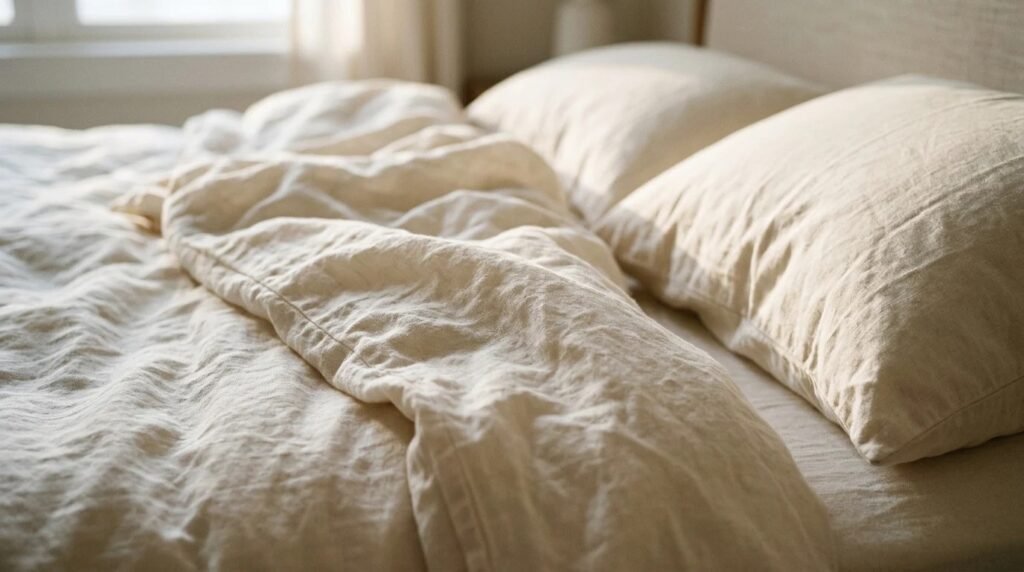
- Choose breathable bedding. Cotton, linen or other breathable fabrics reduce sweating.
- Layer blankets. Easy to add or remove at night.
- Take a warm bath or shower an hour or two before bed.
- Close blinds during the day in summer to keep heat out.
- Use a fan for airflow and gentle background noise.
- Keep humidity comfortable. Very dry air can feel scratchy in winter; see ideal winter humidity.
- Warm feet, cool room. Socks can help you fall asleep faster in a cool bedroom.
Babies need extra care
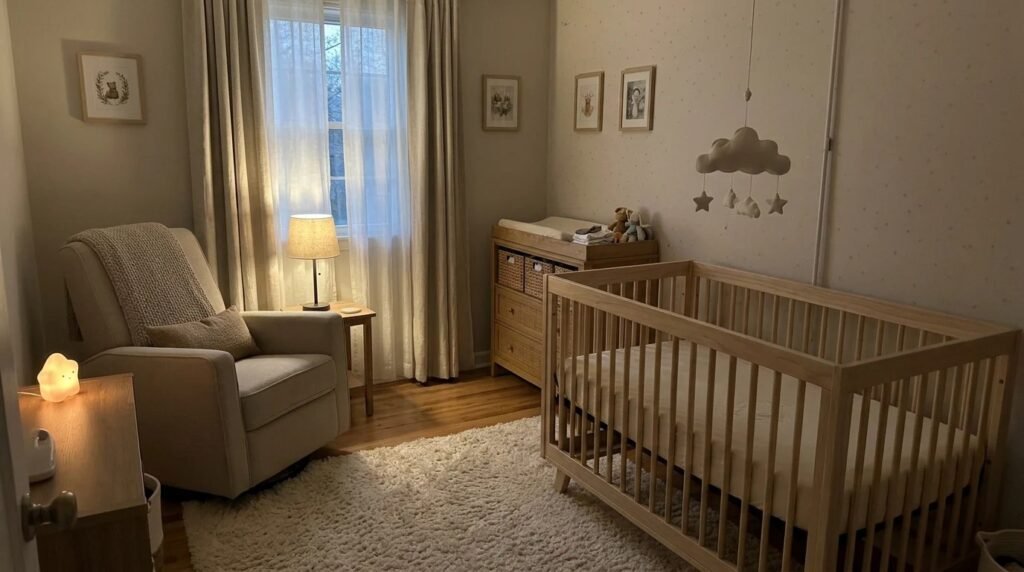
The Sleep Foundation notes that overheating may raise the risk of SIDS. Dress babies in approved sleepwear, limit blankets and check their neck or tummy, not their hands, to see if they’re too warm. As one expert puts it, if a room is too hot for an adult to sleep, it’s probably too hot for a baby. Always follow your pediatrician’s safe sleep advice.
Sharing a bed with someone who runs hot?
This is one of the most common bedroom compromises. Set the room toward the cooler end of the range and let the colder sleeper add warmth on their side: separate blankets, flannel pajamas, socks or an electric blanket with dual controls. The warmer sleeper gets a lighter duvet and breathable sheets. It’s a lot easier to add warmth to one person than to cool down a whole room, and both of you are more likely to sleep through the night.
Winter vs summer
In winter, setting the heat back at night saves money and may help you sleep. Just keep it in the range and use warm layers. In summer, cooling the whole house to 65 can be expensive, so a fan, light bedding and cooling just the bedroom can be smarter. Sleeping on a lower floor during heat waves helps too, since heat rises.
Quick FAQ
Is 70 degrees too warm for sleeping? It’s a little above the commonly recommended range, but comfort varies. Try lowering it a degree or two.
Is 60 degrees too cold? Some people sleep well at 60 with warm bedding, but it’s below the common range. Keep vulnerable people warmer.
Should I use an electric blanket? It can warm the bed without heating the whole room. See electric blanket vs space heater.
Best bedroom temperature for sleep: a quick recap
- Adults: 65 to 68°F, around 65°F as a target.
- Babies: slightly warmer, avoid overheating.
- Tools: thermostat schedule, breathable bedding, a fan.
- Tip: warm bath before bed, cool room after.
Final thoughts
Finding the best bedroom temperature for sleep is a cheap experiment. Set your thermostat schedule a couple of degrees cooler at night this week and see how you feel in the morning.
Your turn: do you sleep hot or cold? And what’s the thermostat set to at night in your house? Share in the comments.
This guide uses Sleep Foundation guidance, not our own testing. It isn’t medical advice; talk to your doctor about sleep problems.