
When you have one room colder than the rest of the house, the usual causes are blocked or closed vents, air leaks around windows and doors, poor insulation in that room’s walls or ceiling, or a room that’s simply far from the furnace or sits over a cold garage. Most of these have cheap fixes you can try in an afternoon.
Contents
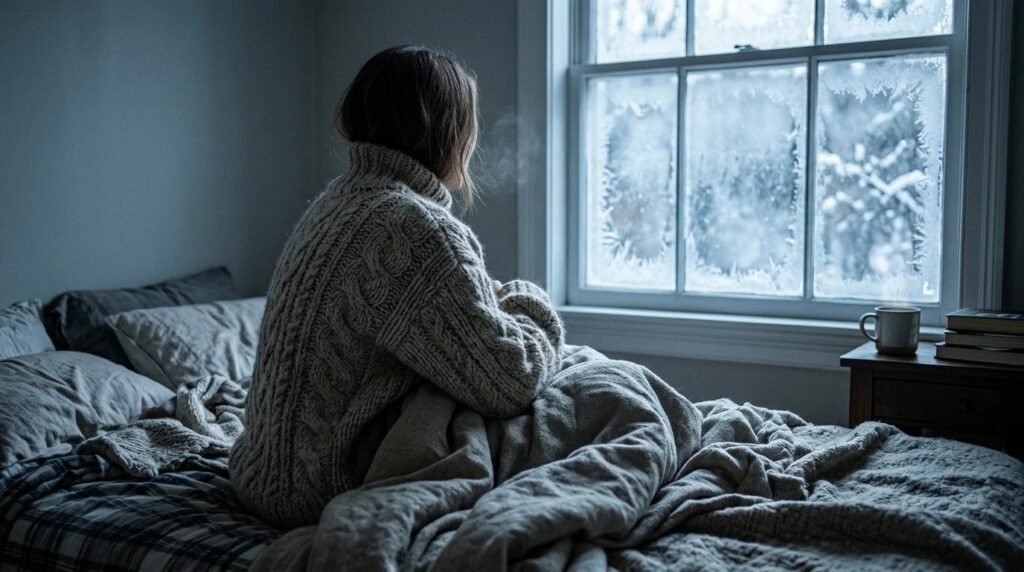
Every home seems to have one: the bedroom over the garage, the corner office, the room with two big windows. Before you buy a space heater, it’s worth finding out why that room loses the heat battle.
Why is one room colder than the rest of the house?
Think of heat like water in a leaky bucket. A room gets cold when less warm air arrives or more heat escapes. Common reasons:
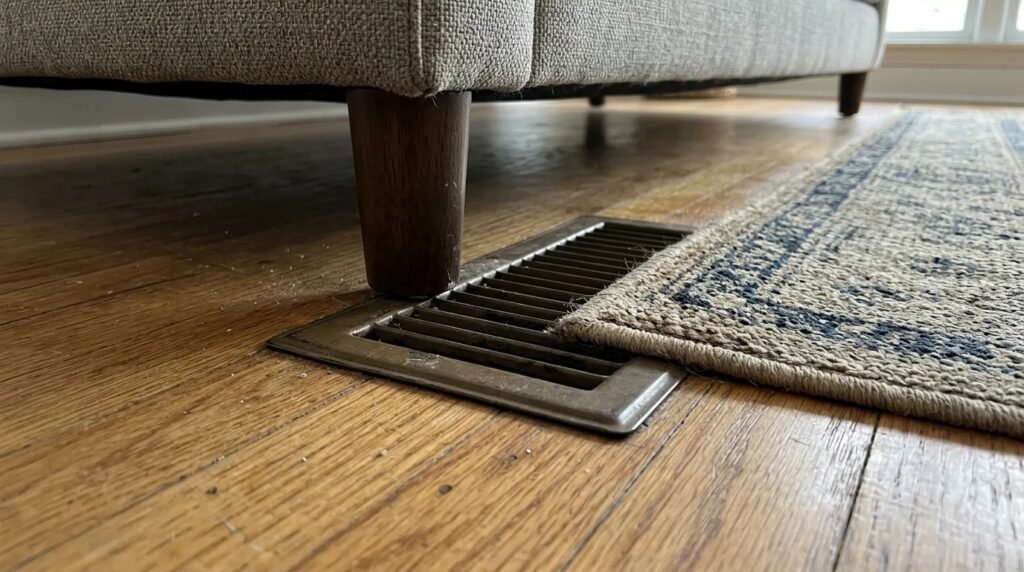
- Blocked or closed vents: furniture, rugs or a half-shut damper limit airflow.
- Long duct runs: rooms far from the furnace get weaker airflow, and leaky ducts lose heat along the way.
- Air leaks: gaps around windows, doors and outlets let cold air sneak in.
- Weak insulation: rooms over garages, with outside walls on two sides or under an attic often lose heat fastest.
- Big or old windows: glass loses far more heat than an insulated wall.
- Thermostat location: if the thermostat sits in a warm hallway, it shuts the heat off before the far rooms catch up.
7 easy fixes for one room colder than the rest of the house
- Open and clear the vents. Make sure registers are fully open and not covered by furniture, rugs or curtains.
- Check the return vent. A room needs a path for air to leave. Keep the door open a bit, or check that the return grille isn’t blocked.
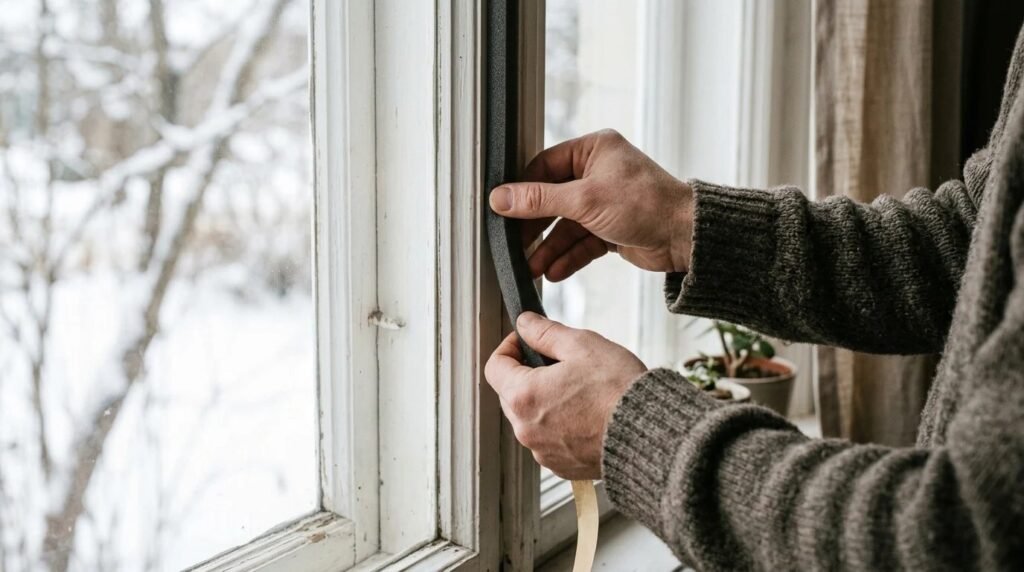
- Seal drafts. Weatherstripping and caulk around windows and doors are cheap, and the Department of Energy’s air sealing guide explains where leaks hide. Our how to stop window drafts guide has step-by-step tips.
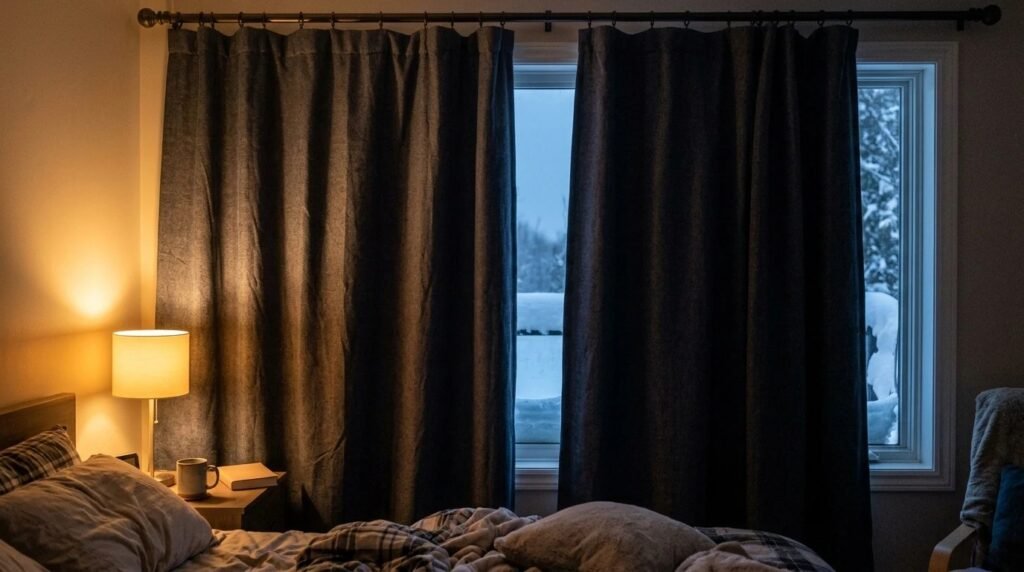
- Hang thermal curtains. Close them at night and open them on sunny days to let the sun help.
- Run the ceiling fan clockwise on low. It pushes warm air down from the ceiling. See ceiling fan direction in winter.
- Change the furnace filter. A clogged filter weakens airflow to the farthest rooms first.
- Use smart thermostat sensors. Some smart thermostats support room sensors so they heat based on the cold room, not just the hallway.
Match the symptom to the cause
| Symptom | Likely cause | First thing to try |
|---|---|---|
| — | — | — |
| Weak airflow from the vent | Blocked vent, dirty filter or duct leak | Clear the vent, change the filter |
| Room feels drafty | Air leaks at windows or doors | Weatherstripping and caulk |
| Walls or floor feel cold | Poor insulation, room over garage | Rugs now, insulation check later |
| Cold only at night | Window heat loss | Thermal curtains |
| Cold when heat shuts off | Thermostat in a warm spot | Remote sensor or adjust settings |
When to call a professional
If you’ve cleared the vents, sealed the drafts and the room is still several degrees colder, it may need duct sealing, a damper adjustment or added insulation. A heating pro or energy auditor can measure airflow and find leaks you can’t see. In the meantime, a space heater can help, but plug it straight into the wall and follow our space heater safety rules.
Quick FAQ
Should I close vents in other rooms to warm the cold one? Usually no; closing many vents can strain your system and doesn’t reliably push more heat to one room. Can a ceiling fan help a cold room? Yes, running it clockwise on low gently moves warm air down from the ceiling. Why is my room over the garage so cold? Garages are unheated, so the floor above loses heat fast unless it’s well insulated.
One room colder than the rest of the house: a quick recap
- Airflow first: open, clear vents and a fresh furnace filter.
- Stop the leaks: weatherstripping, caulk and thermal curtains.
- Bigger fixes: duct sealing, insulation or smart room sensors.
Final thoughts
A cold room is usually a puzzle with a simple answer. Work through the airflow and draft fixes first, then decide whether it needs a pro. For more warmth ideas, try our guide on how to make your bedroom warmer.
Your turn: which room in your home is always the coldest, and what have you tried? Share it in the comments.
This guide is based on research and Department of Energy guidance, not our own testing.
Related guides: Best thermostat setting for winter · How to lower your heating bill · Heat pump vs furnace