
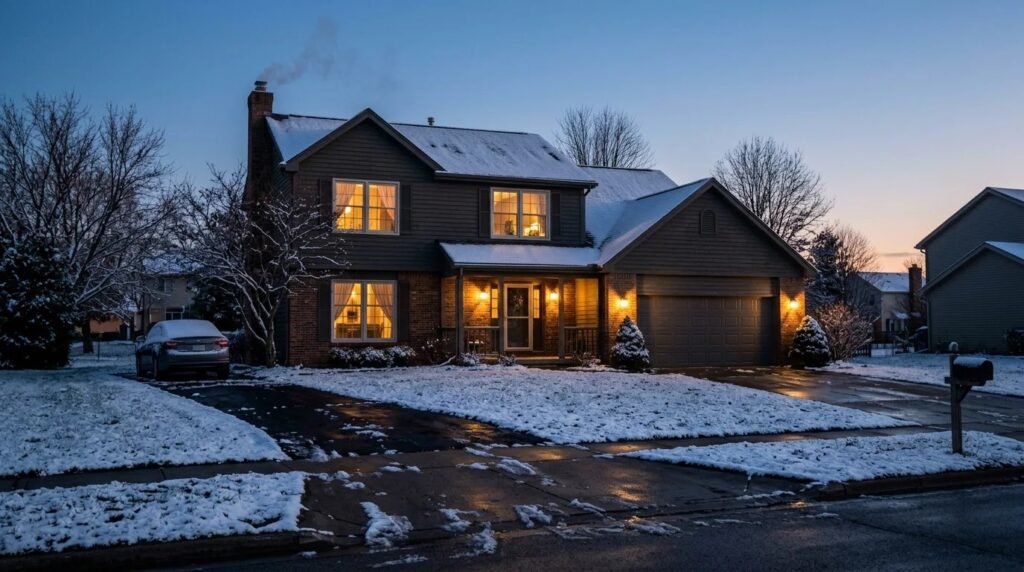
Every fall there’s a weekend when the air changes and you think, “I should get the house ready.” Then it’s December, the hose is frozen to the spigot and there’s a draft you can feel from the couch. This checklist on how to winterize your home fits into one weekend and saves you money, repairs and a few cold nights.
Contents
Grab a coffee, print this out and start outside while it’s still mild.
How to winterize your home: the short answer
Protect your pipes, seal the drafts, service your heating, check your safety alarms and get the outside ready for snow and ice. The American Red Cross recommends disconnecting outdoor hoses, insulating exposed pipes and keeping the heat no lower than 55°F when you’re away. ENERGY STAR estimates sealing and insulating can save about 15 percent on heating and cooling.
Outside the house
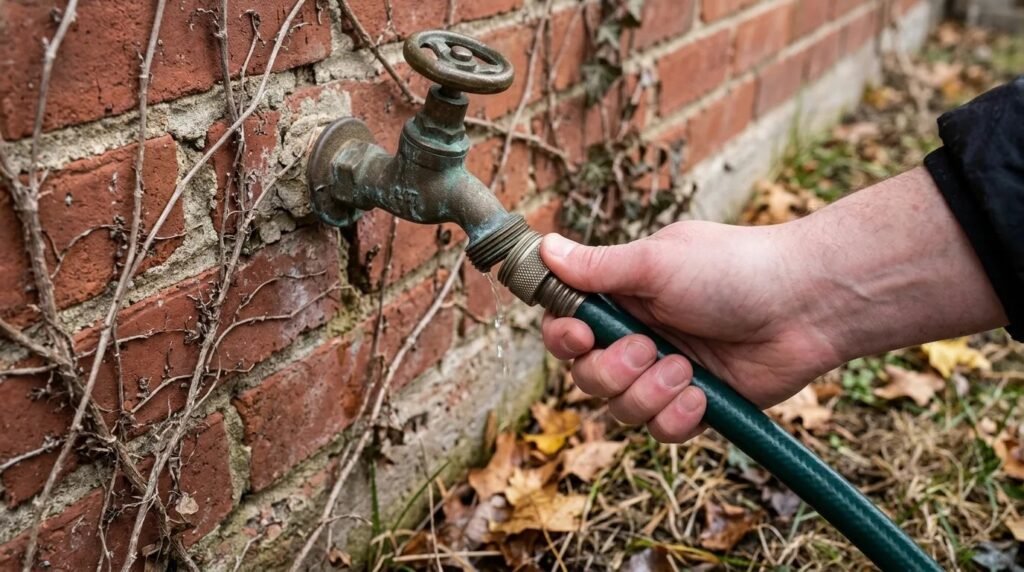
- Disconnect hoses and shut off indoor valves to outdoor faucets.
- Drain sprinkler lines following your installer’s directions.
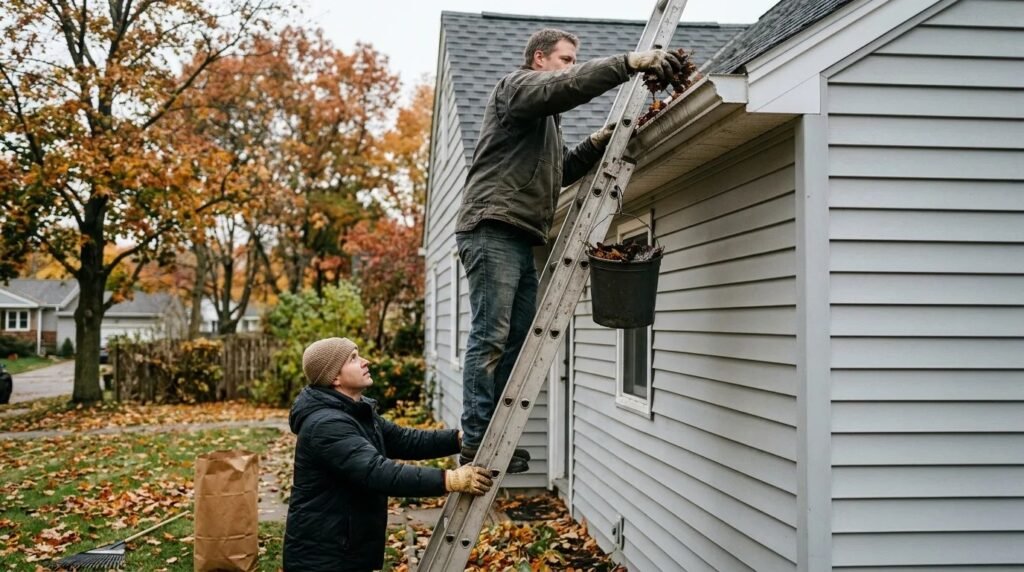
- Clean the gutters so melting snow can drain. Use a ladder safely with a helper.
- Trim branches that hang over the roof or power lines (call a pro near lines).
- Check outdoor lights for those long dark evenings. See outdoor lighting tips.
Inside the house
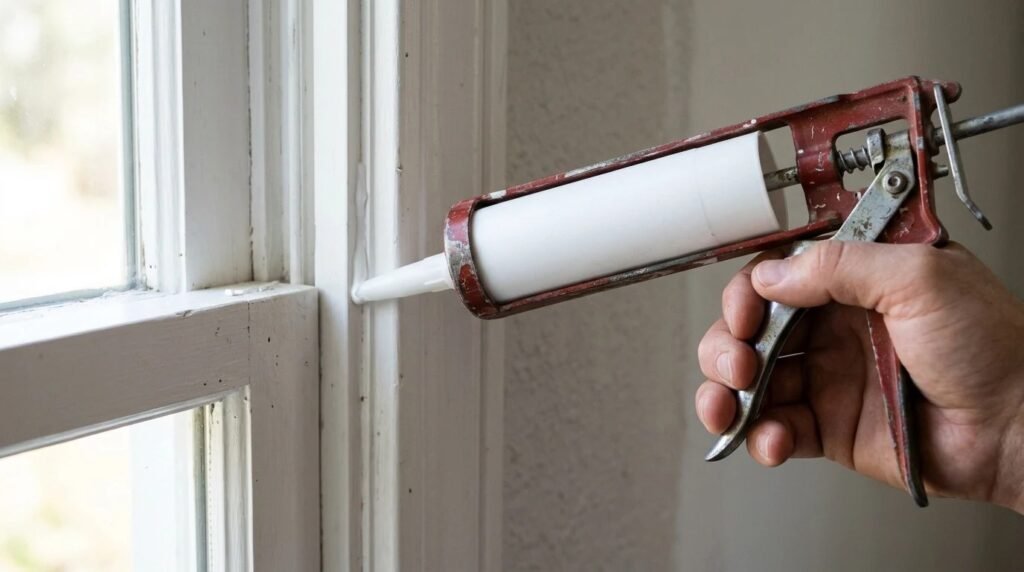
- Seal window and door drafts. Weatherstripping, caulk and door sweeps. Here’s how.
- Insulate exposed pipes. Read how to keep pipes from freezing.
- Find the main water shutoff and make sure it turns.
- Reverse ceiling fans to clockwise on low.
- Program the thermostat. See the best winter setting.
Heating and safety
- Change the furnace filter and book a tune-up.
- Test smoke and CO alarms. Placement guide.
- Clean the dryer vent. Step by step.
- Check space heaters for damaged cords and tip-over switches.
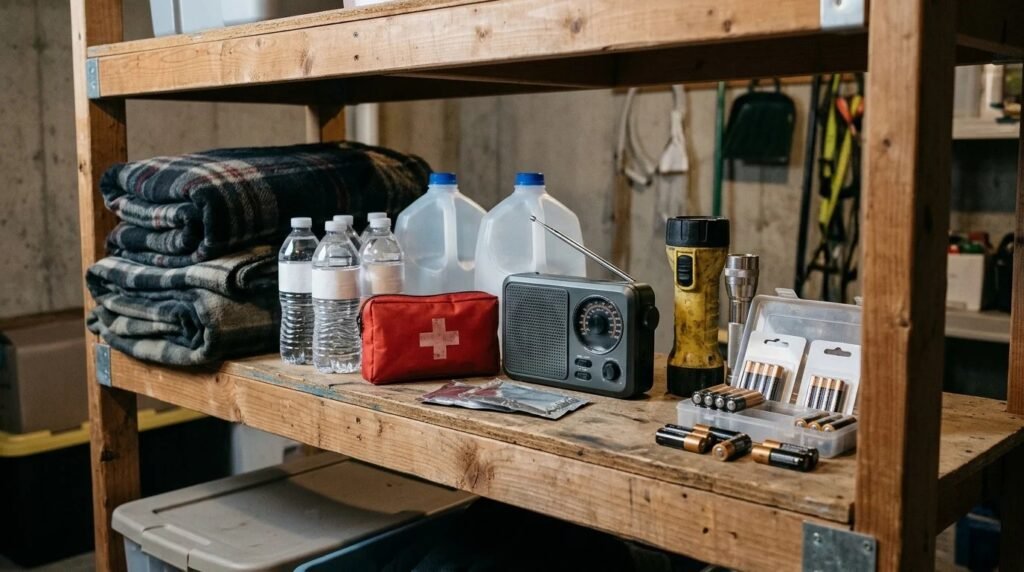
- Build an outage kit. Flashlights, batteries, blankets, water and a battery radio.
Weekend plan at a glance
| When | Tasks | Time |
|---|---|---|
| Saturday morning | Hoses, sprinklers, gutters, branches, lights | 2 to 3 hours |
| Saturday afternoon | Drafts, pipe insulation, water shutoff | 2 to 3 hours |
| Sunday morning | Filter, alarms, dryer vent, heaters | 2 hours |
| Sunday afternoon | Thermostat, fans, outage kit | 1 hour |
Going away this winter?
If you’re traveling for the holidays, a few extra steps protect the house while you’re gone. Keep the heat at 55°F or higher, as the Red Cross recommends. Open cabinet doors under sinks on outside walls. Ask a neighbor to check in, especially during a cold snap. A smart thermostat or temperature sensor can alert your phone if the house gets too cold. And use our holiday travel checklist for security.
Smart gadgets that help in winter
A few small devices make winter easier. Water leak sensors under sinks and near the water heater warn you about drips before they turn into floods. A smart thermostat keeps the house warm without waste. Smart plugs can handle holiday lights on a schedule. None of these are required, but they’re nice extras if you’re already building a smart home.
Don’t skip the safety checks
Winter is peak season for home heating fires and carbon monoxide problems, because furnaces, fireplaces and space heaters run more and homes are sealed up. A working smoke alarm and CO alarm on every level is the most important item on this list. If you have a fireplace, have the chimney inspected before the first fire of the season.
Quick FAQ
When should I winterize my home? Early to mid fall, before the first hard freeze in your area.
How much does winterizing cost? Most items are free or cheap. Weatherstripping and pipe insulation cost a few dollars per window or pipe.
Do I need to winterize if I’m home all winter? Yes. Pipes, drafts and safety checks matter whether you’re home or away.
How to winterize your home: a quick recap
- Outside: hoses, gutters, branches, lights.
- Inside: drafts, pipes, shutoff, thermostat.
- Safety: alarms, filter, dryer vent, heaters.
- Backup: an outage kit for winter storms.
Final thoughts
Knowing how to winterize your home turns a stressful season into a cozy one. Spread the list over a weekend, tick things off and enjoy the first snow from a warm, draft-free living room. If the power goes out, our guide to staying warm during a power outage has you covered.
Your turn: which winter prep job do you always put off? Ours is the gutters. Confess in the comments!
This checklist uses American Red Cross, ENERGY STAR and Department of Energy guidance, not our own testing.